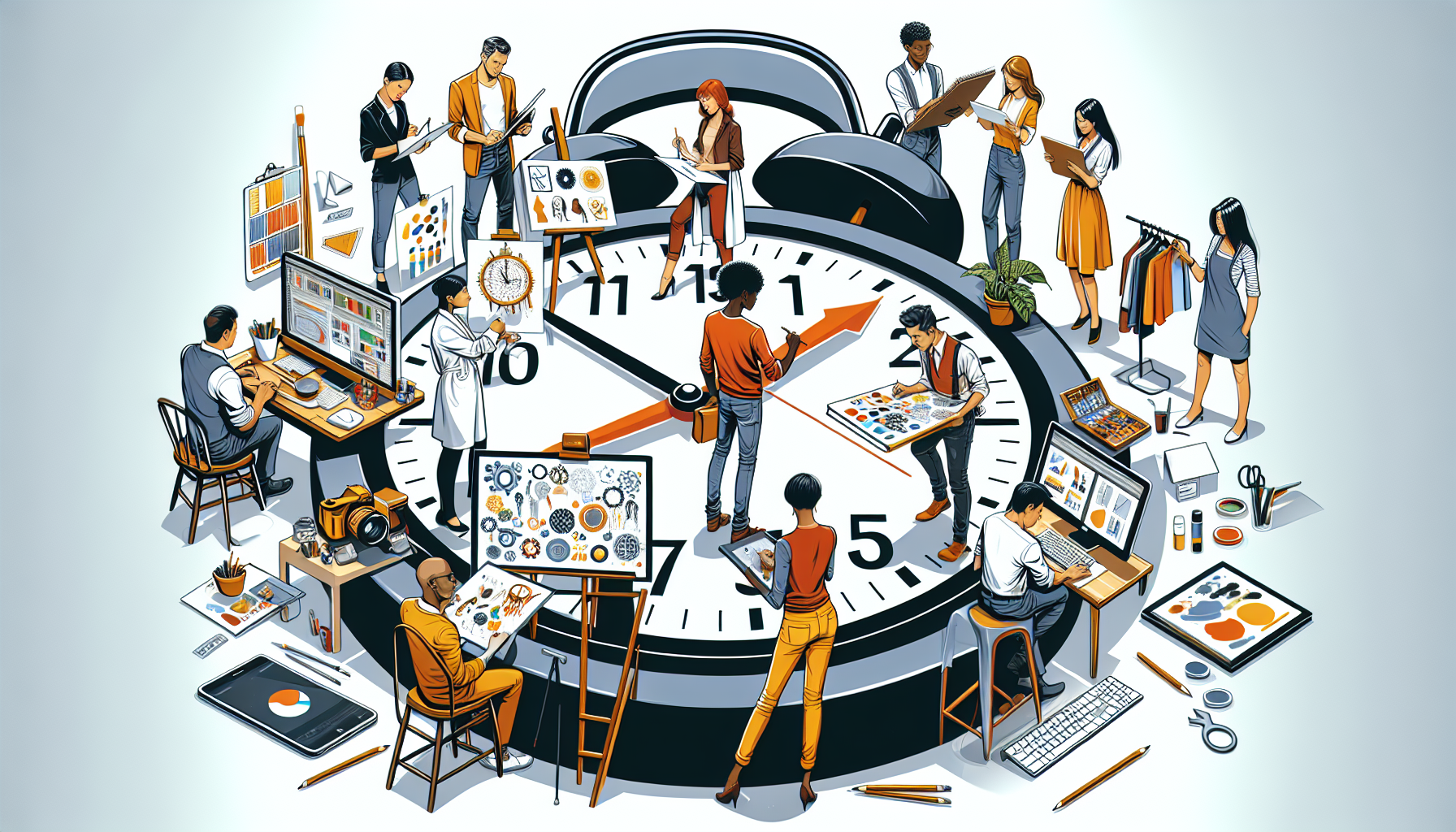
As an artist or designer, time management is crucial in ensuring productivity and creativity. It’s easy to get lost in the creative process and lose track of time, but with effective time management, you can maximize your potential and produce high-quality work consistently. In this blog post, we will explore various time management techniques and strategies specifically tailored to artists and designers to help you make the most of your time and talents.
The Importance of Time Management for Artists and Designers
Artists and designers often work on multiple projects simultaneously, juggling deadlines, client expectations, and their own creative process. Without proper time management, it’s easy to become overwhelmed, leading to stress, burnout, and subpar work. Effective time management not only allows you to meet deadlines and deliver exceptional work but also provides the freedom to explore new ideas, experiment with different techniques, and maintain a healthy work-life balance.
Setting Clear Goals and Prioritizing Tasks
Begin by setting clear, achievable goals for each project. Whether it’s completing a series of illustrations, designing a branding package, or preparing for an art exhibition, clearly defining your objectives will provide a roadmap for your work. Once your goals are established, prioritize your tasks based on deadlines, importance, and impact. Utilize project management tools or apps to create task lists and set reminders, ensuring that you stay on track and focused on what matters most.
Utilizing Time Blocking and Scheduling
Time blocking is a highly effective technique for artists and designers, allowing you to allocate specific blocks of time to focus on different aspects of your work. Whether it’s sketching, brainstorming, client meetings, or administrative tasks, setting aside dedicated time slots for each activity can prevent distractions and improve overall efficiency. Additionally, scheduling your creative sessions during your peak productivity hours can enhance your output and reduce the need for unnecessary revisions or rework.
Creating a Distraction-Free Workspace
Designating a dedicated workspace that is free from distractions is essential for maintaining focus and enhancing productivity. Whether you work from a home studio, a shared workspace, or a traditional office, ensure that your environment fosters creativity and minimizes interruptions. Employing tools such as noise-cancelling headphones, ambient music, or ergonomic furniture can further optimize your workspace, allowing you to immerse yourself fully in your creative process.
Embracing the Power of Routine and Consistency
Establishing a daily routine and maintaining consistency in your work habits can significantly impact your productivity as an artist or designer. Whether it’s dedicating the first hour of your day to sketching, setting aside time for physical exercise, or adhering to a regular sleep schedule, incorporating healthy habits into your routine can foster creativity and prevent burnout. By creating a sense of predictability in your daily activities, you can mitigate decision fatigue and free up mental bandwidth for your artistic pursuits.
Embracing Technology and Automation
Technology can be a powerful ally in your quest for effective time management. Explore project management software, digital sketching tools, and automation solutions that can streamline repetitive tasks, organize your workflow, and eliminate unnecessary manual work. By leveraging technology, you can allocate more time to your creative endeavors while minimizing administrative burdens, ultimately enhancing your overall efficiency and output.
Practicing Self-Care and Time for Reflection
Amidst the demands of artistic and design projects, it’s crucial to prioritize self-care and allocate time for reflection. Taking regular breaks, engaging in hobbies outside of your creative work, and practicing mindfulness can rejuvenate your mind and reignite your passion for your craft. Additionally, reflecting on your progress, seeking feedback from peers, and evaluating your time management strategies can help you refine your approach and continuously improve your workflow.
Seeking Inspiration and Continuous Learning
Staying inspired and nurturing your creativity is integral to the work of artists and designers. Allocate time for seeking inspiration from various sources, such as nature, art galleries, design publications, or online communities. Engage in continuous learning through workshops, online courses, and collaborative projects to expand your skill set and stay abreast of industry trends. By incorporating these activities into your schedule, you can fuel your creativity and cultivate a mindset of lifelong learning.
Conclusion
Effective time management is a cornerstone of success for artists and designers, allowing them to harness their creativity, meet deadlines, and maintain a healthy work-life balance. By setting clear goals, utilizing time blocking, creating a distraction-free workspace, embracing routine and technology, prioritizing self-care, and seeking inspiration, artists and designers can optimize their time and achieve their artistic aspirations. Through a mindful and strategic approach to time management, you can unleash your full potential and produce impactful, meaningful work that resonates with audiences and clients alike.
Leave a Reply