Category: Consultation Management

Master the art of organizing, automating, and growing your professional consultations.
Explore strategies, tools, and real-world insights that help you manage client appointments, integrate with Google Calendar, and streamline payments through Stripe.
From free sessions to paid consultations, this category guides professionals and small businesses toward efficient time use, better client experiences, and sustainable growth.

Whether you’re a coach, consultant, therapist, or service provider — discover how smart scheduling and automation can transform the way you work.

  • The Future of Consultations: Trends Individual Practitioners Should Know

    The Future of Consultations: Trends Individual Practitioners Should Know

    Emerging Trends in Consultation Practices

    As we move into a new era of information accessibility and technological advancement, the landscape of consultations is evolving rapidly. For individual practitioners, understanding these changes can unlock new opportunities for client engagement and service delivery. In this blog post, we will explore key trends shaping the future of consultations, empowering practitioners to adapt and thrive.

    The Rise of Virtual Consultations

    The COVID-19 pandemic has accelerated the adoption of virtual consultations, transforming them from a rare option into a prevalent practice. Video conferencing tools have made it easier for practitioners to connect with clients regardless of geographical barriers. This shift not only enhances accessibility for clients who may have mobility issues or live in remote areas but also allows practitioners to reach a broader audience. As technologies continue to improve, the expectation for seamless experiences will only grow.

    Embracing Hybrid Models

    Many practitioners are now considering hybrid models that blend in-person and virtual consultations. This approach caters to diverse client preferences, allowing those who appreciate personal interaction to meet face-to-face while offering convenience for others through digital yet personalized consultations. Hybrid models not only accommodate flexibility but also ensure that practitioners can optimize their time and resources effectively.

    Increased Use of AI and Chatbots

    Artificial intelligence is set to revolutionize the way consultations are conducted. With intelligent chatbots and AI-driven platforms, practitioners can ensure that potential clients receive immediate responses to their inquiries. These smart technologies can manage bookings, provide preliminary information, and even offer tailored content. While they won’t replace the human touch, they can enhance efficiency and free up practitioners to focus on complex client needs.

    Data-Driven Personalization

    In today’s data-rich environment, personalization is becoming crucial in consultations. By leveraging client data, practitioners can offer tailored advice and services that resonate with individual needs. Understanding client preferences and histories can significantly enhance the quality of service provided. Implementing Customer Relationship Management (CRM) systems helps organize these insights, ensuring practitioners can deliver customized solutions efficiently while fostering client loyalty.

    Incorporation of Wellness Trends

    With a growing emphasis on holistic approaches to wellbeing, many practitioners are integrating wellness trends into their consultations. This might include the incorporation of mindfulness practices, stress management techniques, and mental health awareness into their services. Understanding the psychological and emotional landscape of their clients can significantly enrich the consulting experience, ensuring that practitioners address not just the symptoms but the root causes of their clients’ issues.

    Focus on Ethical Considerations

    As the landscape of consultations shifts, ethical considerations will gain paramount importance. Practitioners need to navigate issues regarding data privacy, consent for virtual sessions, and the responsible use of AI. Staying informed about evolving regulations and ethical frameworks is crucial for safeguarding client confidentiality and maintaining trust. Transparency about data usage and creating guidelines for digital interactions will be fundamental as consultations continue to embrace technology.

    Adapting to Continuous Change

    As we forge ahead, the most successful practitioners will be those who adapt seamlessly to new trends and innovations. Embracing flexibility in consultation practices will enable individual practitioners to thrive in a dynamic environment. Staying abreast of emerging technologies and client expectations will not only help practitioners stay relevant but also equip them to create deeper connections and deliver exceptional value to their clients.

    Conclusion: Preparing for Tomorrow’s Consultations

    The world of consultations is changing rapidly, and individual practitioners must prepare for a future that embodies innovation, flexibility, and enhanced personalization. By understanding and embracing these trends, practitioners can not only enhance their services but also foster stronger relationships with clients in a constantly evolving landscape. This proactive approach will ultimately pave the way for enduring success and satisfaction in their practice.


  • Networking Opportunities Arising from Successful Consultations

    Networking Opportunities Arising from Successful Consultations

    The Power of Consultation in Building Connections

    In today’s professional landscape, networking is an invaluable skill that opens doors to new opportunities, alliances, and resources. One of the most effective ways to forge meaningful professional connections is through successful consultations. Whether you’re a consultant or a client, the interactions that occur during a consultation can lead to rich networking opportunities that extend well beyond the meeting room.

    Understanding Successful Consultations

    Successful consultations are characterized by mutual respect, active listening, and a genuine exchange of ideas. When both parties enter discussions with a mindset geared towards collaboration, it creates a fertile ground for building relationships. The key is to view the consultation not just as a transaction or a one-time meeting but as a potential launching pad for future engagements.

    Creating a Lasting Impression

    The impression you make during a consultation can have far-reaching implications. By showcasing your expertise, enthusiasm, and willingness to engage, you position yourself as a valuable contact. Make eye contact, ask insightful questions, and demonstrate your knowledge on the subject matter. Such actions not only enhance the consultation experience but also foster trust, making it more likely for your consultation partner to want to connect further.

    Identifying Common Interests

    Another significant aspect of successful consultations is the ability to identify common interests. When both parties share goals, values, or challenges, it creates an organic foundation for collaboration. During a consultation, take note of shared experiences or objectives and explore how you can support one another. This exploration can lead to a wealth of networking opportunities, such as co-hosting events, participating in joint projects, or introducing each other to relevant contacts.

    Utilizing Follow-Up Strategies

    After a consultation, the real work begins. Following up is a crucial step in transforming a one-time interaction into an ongoing relationship. Send a personalized thank-you email that not only expresses your appreciation but also reiterates key points from your discussion. Highlight any specific areas where you can provide further assistance or collaboration opportunities. This approach helps keep the lines of communication open and encourages continued dialogue.

    Expanding Your Network Through Referrals

    Referrals are among the most powerful networking opportunities that can arise from successful consultations. If your consultation partner was pleased with your services or insights, they might recommend you to others within their network. This word-of-mouth marketing is incredibly valuable, as personal recommendations often carry more weight than traditional advertising. Strive to deliver exceptional value during your consultations, and don’t shy away from asking for referrals when appropriate.

    Leveraging Social Media and Online Platforms

    In the digital age, social media and online platforms play a critical role in maintaining and expanding your network. After a successful consultation, connect with your partner on platforms like LinkedIn or Twitter. Share relevant articles, comment on their posts, and engage in discussions that pique both of your interests. This keeps the relationship live and demonstrates your commitment to staying connected.

    The Ripple Effect of Successful Consultations

    Ultimately, the networking opportunities arising from successful consultations can create a ripple effect in your professional life. Each connection you nurture can lead to a multitude of others—expanding your reach and influence exponentially. Whether you aim to find new clients, collaborators, or mentors, remember that networking is a long-term investment.

    Conclusion: The Endless Possibilities Await

    Engaging in successful consultations not only enriches your knowledge and experience but also catalyzes powerful networking opportunities. By presenting yourself thoughtfully, identifying common interests, and maintaining proactive communication, you can build a robust professional network that fuels your growth. Embrace the possibilities that arise from each consultation; they may lead to pathways and partnerships you never anticipated, paving the way for future success and collaboration.

  • How to Set Boundaries During Your Consultations

    How to Set Boundaries During Your Consultations

    The Importance of Setting Boundaries in Consultations

    Setting boundaries during your consultations is an essential skill that can greatly impact both the effectiveness of your sessions and your personal well-being. In any consulting environment, boundaries help create a safe and respectful space for both you and your clients, ensuring that interactions stay professional and productive.

    When you establish clear boundaries, you define the limits of what is acceptable in your interactions. Boundaries can be physical, emotional, or professional, and they set the tone for how you wish to engage with your clients. For instance, having specific times for meetings, or limiting the topics you discuss, helps maintain the focus and integrity of your consultations. This post explores practical strategies for setting those crucial boundaries, ensuring that your consultations are not only effective but also enjoyable for both parties.

    Understand Your Own Limits

    Before you can communicate boundaries to your clients, it’s vital to understand your own limits. Reflect on what feels comfortable for you. Are there topics you prefer not to discuss? What are your working hours? Are you available for follow-up consultations, and if so, in what manner? By assessing your own preferences and constraints, you can clearly articulate them to your clients, reducing the likelihood of misunderstandings.

    This self-awareness not only helps you set boundaries, but it also enhances your confidence during consultations. When you know what you are comfortable with, it becomes much easier to communicate these boundaries effectively, creating a respectful environment for both you and your clients.

    Communicate Clearly

    Once you have identified your limits, the next step is clear communication. At the beginning of your consultation, take the time to share your boundaries openly. This could include stating your availability, the duration of the session, and the topics you are willing to cover. Being explicit helps set expectations and ensures that your clients understand your framework.

    For example, you might say, “I’m available for consultations every Tuesday and Thursday from 10 AM to 2 PM, and I focus primarily on project management strategies during our time together.” Such statements prevent potential complications and create a structured approach that both you and your clients can rely on.

    Be Consistent and Firm

    Consistency is key when it comes to maintaining boundaries. Once you’ve established what these are, it’s crucial to adhere to them without compromise. If a client asks for additional availability outside of agreed hours, gently remind them of your established limits. A firm but courteous response reaffirms your boundaries and shows that you value your time and expertise.

    For instance, responding with, “I appreciate your enthusiasm! However, I am only available for sessions on the discussed days. I look forward to our next meeting,” reinforces your position while still being supportive. Firmness in maintaining boundaries is not about being inflexible; it’s about protecting your time and energy to serve your clients better during agreed-upon times.

    Handle Boundary Violations Gracefully

    Despite your best efforts, there may be instances when boundaries are tested or violated. In such cases, approach the situation with grace. Address the issue as soon as possible, either during the consultation or shortly after. Being proactive shows that you value the integrity of your professional relationship.

    For example, if a client persistently contacts you outside of office hours, explaining your policy again and reminding them of the agreed communication boundaries is essential. You might say, “I understand that you have pressing questions, but I’m unavailable to answer emails after hours. Let’s discuss this further in our next meeting.” By doing so, you demonstrate your commitment to your boundaries while remaining supportive of their needs.

    Reflect and Adjust as Needed

    Lastly, it’s essential to remain flexible and open to adjusting your boundaries as your professional relationship with your client evolves. Regularly reflecting on your boundary-setting practices allows you to identify any areas for improvement. As you gain experience and insight, you may find that some boundaries need to be modified or reinforced based on the individual needs of your clients.

    This reflective practice enhances your ability to create a supportive environment while ensuring you don’t compromise your well-being. Remember, boundaries are not just restrictions; they ultimately serve to enhance the quality of your consultations, allowing you to provide the best possible service to your clients.

    In Conclusion

    Setting boundaries during your consultations is a vital practice that fosters a respectful and productive environment. By understanding your limits, communicating clearly, maintaining consistency, handling violations gracefully, and reflecting on your practices, you can create a framework that benefits both you and your clients. Remember, setting boundaries is an ongoing process, and with each consultation, you can refine your approach, leading to more fulfilling and effective engagements.

  • Creating Client-Centered Consultations: Best Practices

    Creating Client-Centered Consultations: Best Practices

    Understanding the Importance of Client-Centered Consultations

    In today’s fast-paced world, where client satisfaction can make or break a business, adopting a client-centered approach during consultations is critical. This method puts the client’s needs, preferences, and experiences at the forefront of the process. It lays the foundation for building trusting relationships, fostering open communication, and ultimately enhancing service delivery. By following best practices in client-centered consultations, professionals can create a more positive, engaging experience for their clients and improve overall outcomes.

    Preparing for a Client-Centered Consultation

    The journey to a client-centered consultation begins long before the meeting takes place. Preparation is paramount not only in understanding the client’s background and needs but also in creating an inviting environment. Start by reviewing any previous interactions with the client and familiarizing yourself with their specific circumstances. This background knowledge will inform your discussion and demonstrate that you value their history and concerns.

    Next, set the stage for the consultation. Ensure the environment is comfortable and free from distractions. Use thoughtful seating arrangements, provide water or beverages, and consider the privacy of the space. A welcoming environment can significantly enhance the client’s experience, showing that you value them and take their consultation seriously.

    Fostering Open Communication

    Once the consultation begins, prioritize open communication. Start by making the client feel comfortable; small talk can ease anxiety and set a positive tone. Ask open-ended questions to encourage dialogue, allowing clients to share their thoughts, feelings, and concerns freely. This approach invites them to express their needs rather than just responding to your inquiries.

    It’s equally important to practice active listening. Show that you’re engaged by nodding, maintaining eye contact, and echoing back what they say. Paraphrasing or summarizing a client’s points not only demonstrates your understanding but also clarifies any possible misconceptions. Clients are more likely to feel heard and valued when they see that you are genuinely invested in their narrative.

    Collaborating on Solutions

    Consultations are most effective when they take a collaborative approach. After actively listening to the client, invite them to participate in discussing potential solutions to their issues. This collaborative effort fosters ownership of the outcomes, leading to greater client satisfaction. Use language that emphasizes collaboration, such as “we” rather than “I” to create a sense of partnership.

    Encouraging clients to weigh in on options and preferences not only empowers them but also builds their commitment to the agreed-upon plans. By acknowledging their expertise regarding their own lives and challenges, you further enrich the consultation experience.

    Providing Clear and Actionable Steps

    Clients often leave consultations with questions or uncertainties. Therefore, it’s essential to provide clear, actionable next steps. Summarize the discussion and outline the recommended action items, making sure to explain the reasoning behind each step. This transparency builds trust and helps clients feel more confident in the choices made during the consultation.

    Furthermore, encourage clients to reach out with any questions or concerns that might arise after the meeting. Providing a follow-up and being available to address ongoing apprehensions fosters a supportive environment, reinforcing the client-centered approach.

    Soliciting Feedback for Continuous Improvement

    After the consultation, asking for client feedback can provide invaluable insights into how effective your approach has been. Send a brief survey or simply ask for their thoughts during a follow-up call. Understand what aspects of the consultation worked well and where there might be room for improvement. This feedback is crucial for refining your consultation process and ensuring a client-centered focus remains a top priority.

    By committing to continuous improvement based on client input, you not only enhance the quality of your consultations but also demonstrate to your clients that their opinions matter. This practice solidifies the relationship and promotes clients’ trust in your dedication to their success.

    Conclusion

    Creating client-centered consultations involves a blend of preparation, open communication, collaboration, clear action steps, and ongoing feedback. By integrating these best practices, professionals can foster stronger relationships with their clients, leading to improved satisfaction and long-term loyalty. Ultimately, a client-centered approach doesn’t just serve the client—it enriches the professional practice, creating a win-win situation for all parties involved.

  • Using Client Assessments to Inform Your Consultation Strategy

    Using Client Assessments to Inform Your Consultation Strategy

    The Importance of Knowing Your Client

    In today’s highly competitive consulting landscape, understanding your clients is more crucial than ever. Effective client assessments can serve as the cornerstone of your consultation strategy, helping you deliver greater value and effectively tailor your approach to meet their unique needs. A successful consulting engagement begins with a deep dive into what makes your client tick and identifying the nuances that influence their decision-making processes.

    Client assessments are multifaceted evaluations that can encompass a variety of areas, such as financial health, organizational culture, and current operational efficiencies. These assessments allow consultants to gather meaningful data which can inform the strategy they take. By tapping into the specific challenges, goals, and aspirations of each client, consultants can create a customized approach that aligns well with the expectations and needs of their clients.

    So, what exactly constitutes a client assessment? Broadly speaking, it can include surveys, interviews, or even observational studies aimed at collecting relevant client data. The goal is to create a holistic view that encompasses both quantitative and qualitative information about the client. For example, traditional metrics such as revenue and market share can offer a numerical perspective on client performance, while qualitative insights from employee interviews or customer feedback can reveal deeper sentiments about the organization.

    It’s essential to recognize that client assessments are not one-time events; rather, they should evolve with ongoing consultations. Regularly updating your understanding of a client’s situation ensures that your consulting strategy is both current and relevant, allowing you to pivot when necessary, adapting your services in response to new challenges or opportunities.

    Leveraging Insights for Strategy Development

    Once the client assessment is complete, the real work begins. By analyzing the data collected, you can identify patterns that can inform your consultation strategy. For instance, if data indicates that a client struggles with employee engagement, it may be beneficial to focus initially on improving internal communications before tackling larger operational issues. Conversely, if the assessment highlights a strong market position but stagnant growth, your strategy might pivot towards innovation and exploring new revenue streams.

    Moreover, understanding your client’s vision and corporate culture can shape your recommendations. A client who values agility might appreciate a strategy that encourages rapid experimentation, while a more traditional organization may benefit from a structured and methodical approach. Ultimately, leveraging the insights from client assessments allows you to craft action plans that resonate deeply with client values and objectives, improving the likelihood of successful outcomes.

    Enhancing Relationship Building

    Utilizing client assessments goes beyond just forming a strategy; it plays a significant role in enhancing client relationships. When clients see that you have taken the time to understand their specific circumstances, it establishes trust and credibility. It signals that you are genuinely interested in their success, rather than simply delivering a one-size-fits-all solution. This trust paves the way for open, honest dialogue, which is invaluable for addressing any future challenges that may arise.

    Your assessment efforts can also empower clients to engage more actively in their consultancy process. When clients are informed and equipped with knowledge about their own operations, they are more likely to collaborate with you in meaningful ways. This partnership approach can lead to innovative solutions and improved outcomes, as clients feel a sense of ownership over the recommended strategies.

    Conclusion: A Continuous Journey

    In summary, utilizing client assessments to inform your consultation strategy is not just a step in the process; it is an ongoing journey that requires attention, analysis, and adjustment. The insights gained from comprehensive assessments can drastically improve the effectiveness of your consultations, leading to a better alignment between client expectations and consulting outcomes. As you invest in understanding your client’s needs and context, you equip yourself to provide personalized, actionable recommendations. This tailored approach not only fosters successful project outcomes but also strengthens client relationships, ensuring that your consulting practice thrives in today’s dynamic environment.

  • The Impact of Body Language on Client Perception

    The Impact of Body Language on Client Perception

    The Subtle Language of the Body

    Body language is an innate form of communication, intricately woven into our social interactions. It encompasses a range of non-verbal signals, from posture and gestures to facial expressions and eye contact. Many individuals underestimate the power of these cues, especially in professional settings where client perception can significantly influence outcomes. Understanding the nuances of body language is crucial for anyone involved in client-facing roles.

    One of the most effective ways to create a positive client experience is through the use of open body language. For instance, maintaining an inviting stance can help foster trust and respect. When clients perceive you as accessible and open, they are more likely to engage in candid discussions. A simple gesture, such as uncrossing your arms or leaning slightly forward during a conversation, conveys interest and encourages dialogue. This subtle shift can act as a catalyst, prompting clients to share their thoughts openly.

    Eye contact is another critical component of body language that significantly impacts client perception. When you maintain appropriate eye contact, it signifies confidence and sincerity, enhancing the client’s sense of comfort. However, it’s essential to strike a balance; too little eye contact might suggest disinterest, while too much can feel intrusive. Remember, a friendly gaze or a quick nod while listening can communicate that you are genuinely invested in the conversation.

    Moreover, facial expressions play a pivotal role in shaping client perceptions. A warm smile or a look of understanding can convey empathy and make clients feel valued. On the other hand, expressions of confusion or frustration might lead clients to feel misunderstood or dismissed. Practicing mindfulness in your facial expressions can help ensure that they align with your verbal communication, reinforcing a consistent message that fosters trust.

    Body language is not just about personal interactions; it extends to virtual environments as well, increasingly relevant in today’s digital age. When meeting clients through video calls, ensuring the camera is positioned at eye level can create a sense of equality. Additionally, using hand gestures, even in a virtual setting, can make your expressions more vivid and engaging. Remember to smile and nod as you listen, as non-verbal signals can be just as impactful online as they are face-to-face.

    The Cultural Aspects of Body Language

    It’s essential to recognize that body language is not universal; cultural nuances can significantly alter interpretations of non-verbal signals. What may be perceived as respectful in one culture may be seen as invasive in another. For instance, in some cultures, direct eye contact indicates confidence, while in others, it may be considered disrespectful. Therefore, taking time to understand your clients’ cultural backgrounds is vital, as it allows you to tailor your body language appropriately.

    Another important factor is personal space, which can vary widely from one culture to another. In many Western countries, personal space is highly valued, while other cultures may engage more closely. Being attuned to these differences can help prevent discomfort and build rapport. Paying attention to how your clients respond to your proximity can guide you in maintaining an appropriate amount of personal space.

    Developing Body Language Awareness

    Improving your body language skills requires practice and self-awareness. Consider observing yourself during conversations or even recording your interactions (with permission) to analyze your non-verbal cues. Look for patterns in your gestures, posture, and expressions. Seeking feedback from colleagues or mentors can also provide invaluable insights into how others perceive your body language.

    Moreover, it can be beneficial to study others’ body language, particularly those who excel in client interactions. Notice how successful professionals engage with their clients through their body language, and seek to integrate similar techniques into your own practice. Participating in workshops focused on communication skills can further refine your understanding and application of effective body language.

    Conclusion: The Art of Non-Verbal Communication

    Ultimately, the impact of body language on client perception is profound. By consciously employing non-verbal cues that reflect openness, attentiveness, and respect, you can enhance your relationships with clients and create a more productive environment. As you navigate through your professional journey, remember that every interaction is an opportunity to communicate not just with your words but also with your presence. Mastering the art of body language can lead to deeper connections, better understanding, and ultimately, a more successful career.

  • Time Management Tips for Efficient Consultations

    Time Management Tips for Efficient Consultations

    Understanding the Importance of Time Management

    In today’s fast-paced world, effective time management is more crucial than ever, especially during consultations where time is limited and expectations are high. Learning to utilize time wisely can significantly enhance both the consultant’s and the client’s experience. When handled well, consultations can yield productive outcomes, leaving both parties feeling satisfied and eager for future interactions.

    Set Clear Objectives

    One of the foundational steps in time management for consultations is to establish clear objectives before the meeting begins. What do you hope to achieve? Is it to solve a specific problem, to inform the client about a new offering, or to provide updates on an ongoing project? By setting clear objectives, you can steer the conversation efficiently and keep the meeting focused, minimizing the risk of drifting into unrelated topics.

    Prepare an Agenda

    Creating an agenda is an excellent way to ensure that all pertinent topics are covered during your consultation. Share this agenda with your client ahead of time. This transparency not only fosters trust but also allows the client to come prepared with questions or comments. An agenda serves as a roadmap, keeping the discussion on track and helping time management by indicating how long should be spent on each topic.

    Prioritize Key Discussion Points

    Once the agenda is set, prioritize the key points that need to be discussed. Consider what is most critical for the client’s understanding and what will require the most time. Focus your efforts on these high-priority topics first to ensure that the most important issues are addressed even if time starts to run short towards the end of the consultation.

    Implement Time Blocks

    Time blocking is a powerful strategy for managing consultation time. Allocate specific time slots to each agenda item and stick to these blocks as closely as possible. For instance, if discussing a complex topic requires a full 30 minutes, dedicate that time exclusively to it without allowing distractions to creep in. Remaining diligent about these time blocks can prevent discussions from dragging on and ensure a more efficient meeting.

    Stay Engaged and Listen Actively

    During consultations, active listening is a crucial skill that can dramatically improve the efficiency of your discussion. Engage with your client by asking clarifying questions and summarizing their points to confirm understanding. This not only builds rapport but also ensures that you are addressing their needs effectively. When clients feel heard, they are more likely to provide relevant information swiftly, keeping the meeting on track.

    Utilize Technology Wisely

    Leverage technology to assist in time management during consultations. Tools such as timers, note-taking apps, and video conferencing capabilities can enhance the overall experience. Timers can help in maintaining structured discussions, while digital tools can facilitate real-time collaboration on documents or presentations, making it easier to track and address points of concern as they arise.

    Follow Up with a Summary

    After the consultation concludes, send a follow-up email summarizing what was discussed, the decisions made, and any actions that need to be taken. This practice not only reinforces the points covered but also provides a clear reference for both parties moving forward. A summarized recap can save time in future meetings by ensuring that everyone is on the same page and aware of progress on action items.

    Continuous Improvement

    Lastly, always strive for continuous improvement in your time management practices. After each consultation, reflect on what went well and what could be improved. Soliciting feedback from the client can provide valuable insights that you may have overlooked. Incorporating these lessons into future consultations will help elevate your time management skills and enhance the overall quality of your meetings.

    In conclusion, implementing effective time management techniques can transform your consultations from chaotic to constructive. By setting clear objectives, preparing an agenda, actively listening, and utilizing technological tools, you can create a more efficient and satisfying experience for both you and your clients. Time is a valuable resource, and managing it wisely will not only improve your professional outcomes but will also foster stronger client relationships.

  • Customizing Your Consultation Approach for Different Client Types

    Customizing Your Consultation Approach for Different Client Types

    Understanding the Importance of a Tailored Consultation Approach

    When working in any consulting field, it’s important to recognize that no two clients are the same. Each client brings a unique set of circumstances, personalities, and expectations that can vastly affect the consulting engagement. Customizing your consultation approach not only enhances client satisfaction but also improves project outcomes by fostering better communication and understanding.

    The first step in effective customization is to understand the different client types you may encounter. These vary across industries and can include small business owners, corporate executives, non-profit organizations, and individual clients. Each category comes with its own values, concerns, and ways of communicating. Identifying these differences allows you to tailor your approach to meet their specific needs.

    Identifying Client Types

    When engaging with clients, it’s beneficial to categorize them into distinct types. For example:

    1. **The Detail-Oriented Client**: This client often seeks comprehensive information and data-driven results. They appreciate a methodical approach and tend to engage deeply with the details of the consultation process. For these clients, providing extensive reports, visual data representations, and thorough explanations can build trust and confidence.

    2. **The Big-Picture Thinker**: Contrarily, some clients are more focused on overarching goals and strategies. They want to understand how your recommendations fit within their broader vision. For these clients, it’s crucial to connect your services to the larger context, using high-level discussions to frame your suggestions without getting bogged down in minutiae.

    3. **The Reluctant Client**: These clients might be hesitant to engage or may have had negative experiences with consultants in the past. Building a trusting relationship is key. Approach them with empathy, listen actively to their concerns, and validate their feelings to reassure them that you are there to assist, not to impose.

    Strategies for Customization

    Once you’ve identified the type of client you are dealing with, it’s time to customize your consultation strategy accordingly. Here are some effective techniques:

    1. **Initial Assessment**: Conduct a preliminary assessment to gauge the client’s needs and expectations. This could include surveys, interviews, or informal conversations. Understanding their goals early on can shape the entire consulting process, tailoring the interaction to their specific requirements.

    2. **Communication Style**: Adapt your communication style to match your client’s preferences. If a client prefers emails and written reports, ensure you provide those updates frequently. Conversely, if they favor verbal communication, schedule regular calls to discuss progress and insights.

    3. **Flexibility in Delivery**: Not every client will respond well to a fixed consulting framework. Offering flexibility in your approach can help maintain engagement and satisfaction. This could involve adjusting timelines or varying the formats of your deliverables, whether that’s in-person meetings, video conferences, or detailed documentation.

    Feedback and Adaptation

    Regular feedback is vital in ensuring that your customized approach remains effective. After each phase of the consulting process, solicit feedback from your client about what worked well and what could be improved. This not only helps in adjusting your ongoing strategy but also demonstrates that you value their input and are committed to their success.

    Furthermore, be prepared to adapt your style as the relationship evolves. As projects progress, clients may adjust their priorities based on emerging challenges or opportunities, and your approach may need to evolve in tandem.

    Conclusion: The Value of Customized Consultations

    In the diverse landscape of consulting, customizing your approach for different client types is not merely a best practice; it’s essential for building strong, lasting client relationships. By understanding the varied needs and preferences of each client, tailoring your communication and strategies, and remaining open to feedback, you greatly enhance the probability of successful outcomes. As a result, not only will you achieve your consulting objectives, but you’ll also foster a positive reputation that leads to future referrals and opportunities.

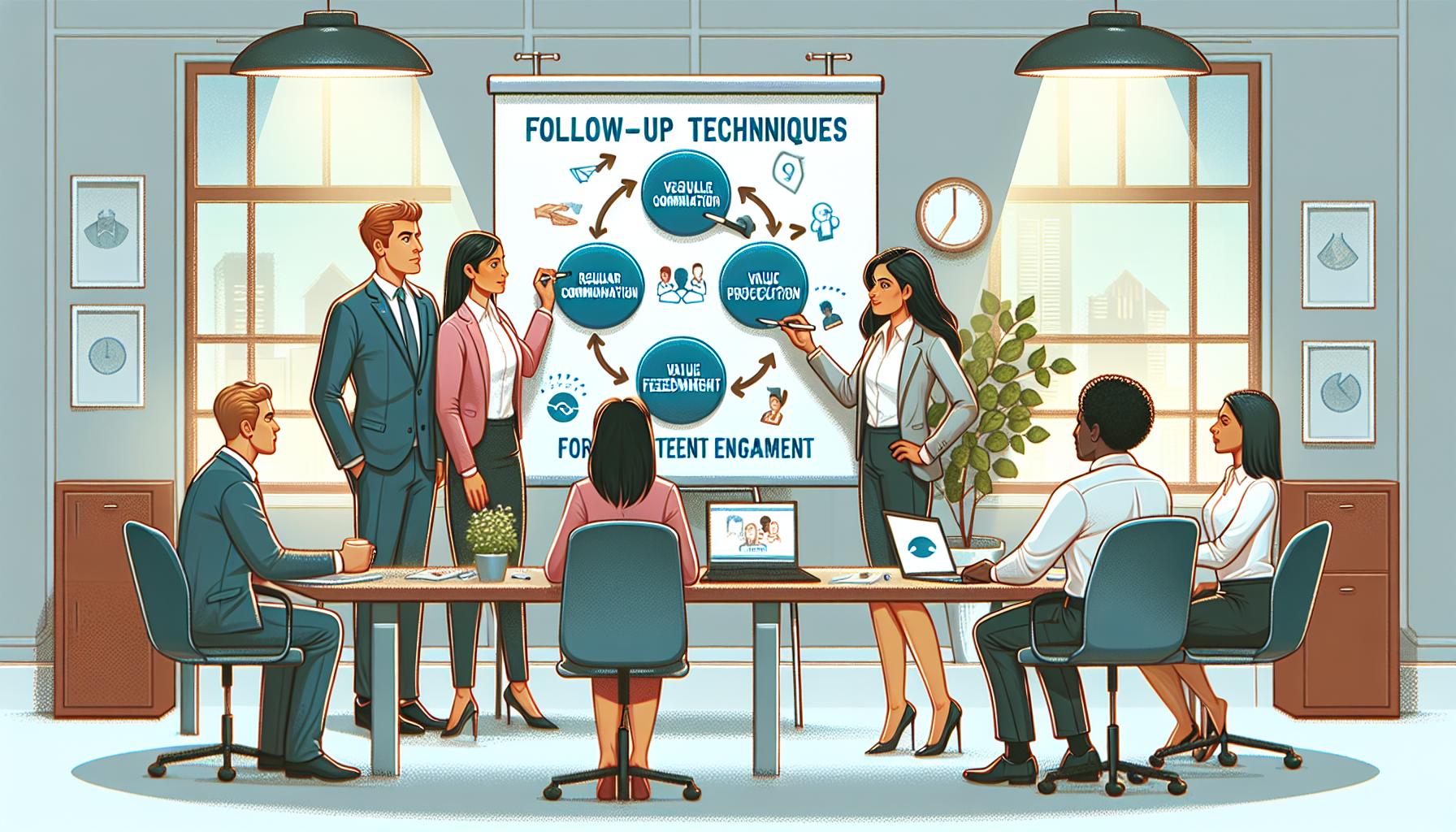
  • Follow-Up Techniques for Sustained Client Engagement

    Follow-Up Techniques for Sustained Client Engagement

    The Importance of Following Up

    In the fast-paced world of business, client engagement is a crucial component of maintaining strong relationships and ensuring long-term success. Many professionals understand the importance of initiating contact with clients, but what often gets overlooked is the follow-up. Follow-up techniques are essential for nurturing relationships and driving engagement. In this post, we’ll explore effective follow-up strategies that contribute to sustained client engagement.

    Understanding the Follow-Up

    Following up with clients isn’t just about sending a quick email or making a phone call after a meeting; it’s about creating a consistent line of communication. It’s the process of reinforcing the connection you’ve built and ensures that clients feel valued. When done correctly, follow-ups can lead to repeat business and increased referrals, making it an indispensable part of your client relationship management strategy.

    Timeliness is Key

    When it comes to effective follow-ups, timeliness is a key factor. A prompt follow-up demonstrates that you prioritize your client’s needs and respect their time. Aim to reach out within 24 to 48 hours after your initial interaction. This could be after a meeting, presentation, or even a networking event. Your follow-up should express gratitude for their time and summarize key points discussed to keep the conversation fresh in their minds.

    Personalization Matters

    Generic follow-up messages often end up in the trash. Instead, take the time to personalize your follow-up communication. Reference specific topics you discussed, acknowledge any challenges they mentioned, and include information that is relevant to their unique situation. This level of attention demonstrates that you are not just sending out a form letter but are genuinely interested in their needs and are willing to tailor your approach accordingly.

    Diversify Your Follow-Up Channels

    Using a single platform for follow-ups can limit your chances of engaging with clients effectively. Consider diversifying your communication channels to increase your visibility and connection. This could include traditional emails, phone calls, social media interactions, or even sending a handwritten thank-you note. Each channel has its own strengths, and varying your approach helps to keep your clients engaged and receptive.

    Leverage Technology

    In this digital age, there are countless tools at your disposal to help automate or streamline your follow-up process. Customer Relationship Management (CRM) systems can help you track interactions and set reminders for follow-ups. Email automation tools can send personalized follow-up messages at designated intervals, ensuring that no client is left behind. However, be careful not to let automation take the personal touch away from your communication. Balance the efficiency of tools with the warmth of human interaction.

    Be a Resource

    A follow-up shouldn’t just be a check-in; it should also provide value. Share resources, articles, or insights related to the client’s industry or challenges they’re facing. By being a resource, you position yourself not just as a vendor, but as a trusted advisor who focuses on their success. This can significantly boost client loyalty and engagement.

    Encourage Feedback

    Feedback is vital for any business looking to grow and improve. During your follow-ups, encourage clients to share their thoughts on your services, products, and their overall experience. Not only does this show that you value their opinion, but it also opens the door for discussions that can lead to improvement and innovation. Use their feedback to adjust your services and offerings accordingly, making clients feel heard and involved in the process.

    Tracking and Measuring Engagement

    Finally, it’s important to track the effectiveness of your follow-up techniques. Regularly measure client engagement through key performance indicators like response rates, client retention rates, and feedback scores. Analyzing this data can help you refine your strategies and understand what works best for your audience. Over time, this will enable you to build a more robust client engagement strategy that adapts and evolves.

    Conclusion

    In conclusion, effective follow-up techniques are essential for sustained client engagement. By staying timely, personalizing your communication, leveraging technology, being a resource, encouraging feedback, and measuring engagement, you can thoroughly enhance your client relationships. Remember that every follow-up is an opportunity to reinforce the trust and rapport you’ve built, and to demonstrate your commitment to their success.

  • Confidentiality and Ethics: Ensuring Trust in Your Consultations

    Confidentiality and Ethics: Ensuring Trust in Your Consultations

    The Cornerstone of Effective Consultations

    In any professional setting, especially in fields like healthcare, counseling, and finance, the bedrock of an effective consultation revolves around two key pillars: confidentiality and ethics. These principles not only protect the individual but also foster an atmosphere of trust and respect, which is essential for productive dialogue. Without them, the foundation of the consultation can crumble, making it challenging to establish a relationship built on openness.

    Confidentiality refers to the ethical duty professionals have to protect the privacy of their clients. This means that any information shared during consultations cannot be disclosed without the client’s explicit consent. The importance of confidentiality cannot be overstated; it encourages clients to speak freely, which is critical for accurate assessments and tailored advice. In scenarios where clients feel unsafe or hesitant to share sensitive information, the effectiveness of consultations drastically declines.

    Ethics, on the other hand, encompasses a broader spectrum of moral principles that govern how professionals interact with their clients. These ethical standards ensure that the professional acts in the best interest of the client and maintains integrity throughout the consultation process. Adhering to these ethical guidelines not only protects clients but also enhances the credibility of the professional, establishing them as a trustworthy source of information.

    Building a Framework for Trust

    To build a strong framework of trust between professionals and clients, it is imperative that confidentiality and ethics are explicitly communicated right from the outset. Professionals should clearly outline the limits of confidentiality, such as situations involving harm to oneself or others, and educate clients about how their information will be used and protected. This transparency can significantly minimize anxiety and help clients feel more secure during consultations.

    Another essential aspect of ensuring trust is the management of client expectations. Professionals should be clear about what clients can expect from the consultations, including potential outcomes and the method of information sharing. Understanding the scope of the professional’s role and the nature of the consultation helps clients feel more at ease and reinforces the sense of safety that confidentiality promises.

    Moreover, continuous education and training in ethical standards and confidentiality practices are vital for professionals. Engaging in workshops, seminars, or even online courses can provide updated knowledge on how to handle sensitive information appropriately and ethically. This ongoing professional development not only nurtures the professional’s skills but also boosts client trust, knowing their adviser is committed to maintaining high standards.

    Navigating Ethical Dilemmas

    Even with strong foundations in place for confidentiality and ethics, professionals may face situations where these principles come into conflict. Ethical dilemmas can arise, especially when it comes to confidentiality versus the need to report harmful activities or provide necessary interventions. In such cases, having a well-defined protocol in place can assist professionals in making informed decisions while still maintaining transparency with clients as much as possible.

    Consultation environments also play a crucial role in how confidentiality and ethical practices are maintained. A quiet, private setting can reinforce clients’ confidence in the security of their shared information. Similarly, attentive listening and affirmative body language from the professional can further enhance feelings of safety, making the client more likely to engage honestly and openly.

    Continuous Dialogue and Feedback

    Finally, fostering a culture of continuous dialogue and feedback can further solidify the ethical standards and confidentiality measures in place. Professionals should regularly check in with clients about their comfort levels regarding privacy and confidentiality, making adjustments as needed. This practice not only maintains the trust but also empowers clients, reassuring them that their opinions and feelings are valued and respected.

    In conclusion, confidentiality and ethics are not just regulatory obligations; they are essential components of successful and trusting consultations. By embedding these principles into their practice, professionals can create an environment where clients feel safe, valued, and understood, ultimately leading to more effective outcomes. Trust takes time to build, but adhering to these fundamental principles ensures that the consultation relationship is nurtured through respect and integrity, a priceless investment for both clients and professionals alike.

  • Leveraging Technology to Enhance Your Consultation Experience

    Leveraging Technology to Enhance Your Consultation Experience

    The Evolving Landscape of Consultation

    In today’s fast-paced world, the way we consult with professionals in various fields has dramatically transformed. Whether seeking advice from a financial planner, therapist, or marketing strategist, the integration of technology into the consultation process has enhanced both accessibility and efficiency. Understanding how to leverage technology effectively can significantly improve the consultation experience, making it more productive and satisfying.

    Enhanced Accessibility through Virtual Platforms

    One of the most significant advancements in consultation is the rise of virtual meeting platforms. Tools like Zoom, Microsoft Teams, and Google Meet have made it possible to connect with consultants from anywhere in the world. This flexibility allows clients to engage with experts who might not be available locally, expanding their choices and improving the quality of advice received.

    Moreover, virtual consultations eliminate the need for travel, reducing both time and costs. For clients with busy schedules or those dealing with mobility issues, this option proves invaluable. Having a session from the comfort of your home can create a more relaxed atmosphere, fostering open communication and better engagement.

    Utilizing Tools for Better Collaboration

    Collaboration tools play a crucial role in enhancing the consultation experience. Platforms like Trello, Asana, or Slack allow for seamless project management and communication. During consultations, these tools can facilitate real-time collaboration on documents or presentations, ensuring that both the consultant and the client are aligned and engaged.

    Particularly in fields like marketing or design, sharing visuals or concepts during a consultation can lead to more productive discussions. Visual collaboration tools like Miro or lucidspark can enhance creativity, enabling teams to brainstorm ideas visually. By leveraging these collaborative tools, the consultation becomes more interactive and less transactional, resulting in a richer experience.

    Data-Driven Insights for Tailored Consultations

    Technology has made it easier to collect and analyze data that can inform consultations. For instance, if you’re consulting with a healthcare professional, using wearable devices and health apps can provide crucial information about your habits and health metrics. This data-driven approach allows for more personalized consultations, as the consultant can base recommendations on factual insights rather than assumptions.

    In the business realm, analytics tools can track customer behavior, sales patterns, and market trends. Leveraging this data gives consultants a nuanced understanding of the client’s environment, allowing them to offer strategies that are specifically tailored to the client’s challenges and goals.

    Maintaining Engagement with Follow-Up Technology

    The consultation experience doesn’t end when the meeting concludes; follow-up is essential for lasting impact. Utilizing email marketing tools, consultants can send personalized follow-ups or newsletters that provide additional resources based on what was discussed during the session. This reinforces learning and adds value to the consultation.

    Moreover, scheduling tools like Calendly or Doodle streamline the process of setting up follow-up meetings, enabling clients to book time that works for them without the back-and-forth of email chains. The automated reminders sent by these tools serve as gentle nudges for clients to stay on track with their goals.

    The Human Touch in a Digital World

    While technology greatly enhances the consultation experience, it’s essential to remember the human element. Building rapport and trust remains crucial, regardless of how advanced our tools become. Video consultations should maintain a personal touch; consultants should be mindful of body language, tone, and the personal aspects of conversation to maintain a connection.

    Furthermore, using customer feedback tools to gather insights after a consultation can help consultants adjust their approach to meet client needs more effectively. Asking for feedback shows clients that their opinions are valued and ultimately leads to better service.

    Conclusion: Embracing a Hybrid Approach

    Leveraging technology in consultation not only enhances the experience but also creates opportunities for better outcomes. By combining the best of digital tools and human connection, consultants can create an engaging and productive environment for their clients. As technology continues to evolve, embracing a hybrid approach will ensure that consultations remain relevant, effective, and compelling in a rapidly changing world. The aim is to create a consultation experience where technology facilitates, but does not replace, the invaluable human interaction that is at the heart of meaningful consulting.

  • The Importance of Goal Setting During Client Consultations

    The Importance of Goal Setting During Client Consultations

    The Foundation of a Successful Consultation

    During client consultations, establishing clear and attainable goals is paramount. Goal setting serves as the compass that guides both the client and the consultant, ensuring that their efforts are aligned and focused on achieving desired outcomes. Without defining specific goals, the consultation process can feel aimless and unproductive, leading to frustration on both sides.

    A well-structured consultation is not just about discussing various options; it’s about creating a roadmap for success. By collaborating with the client to identify their aspirations and objectives, consultants can tailor their approach to meet individual needs. This personalization enhances the likelihood of achieving success and fosters a stronger relationship between the consultant and the client.

    Clarity and Direction

    When clients articulate their goals, it provides clarity about what they want to achieve. This clarity is crucial in setting a direction for the services provided. For instance, a business consulting client may come to the table with the goal of improving operational efficiency. This specific goal allows the consultant to focus on relevant strategies, such as analyzing workflow processes and recommending technology solutions.

    Moreover, having defined goals helps in measuring progress. It allows both parties to track the effectiveness of the strategies implemented during the consultation and adjust them as needed. Clients can see tangible results, reinforcing their commitment to the consulting process.

    Building Motivation and Commitment

    Another significant aspect of goal setting in client consultations is its ability to enhance client motivation. When clients are involved in creating their goals, they develop a sense of ownership and investment in the process. This intrinsic motivation often leads to higher levels of engagement, as clients are more likely to commit to action plans that they’ve helped to formulate.

    In contrast, when goals are imposed on clients without their input, they may feel disconnected or even resistant to the process. By involving clients in their goal-setting discussions, consultants can create an atmosphere of collaboration, wherein clients feel empowered and inspired to pursue their objectives.

    Customization for Individual Needs

    No two clients are alike, and what works for one may not work for another. Goal setting provides an excellent opportunity for consultants to understand the unique circumstances, challenges, and aspirations that each client brings to the table. By asking probing questions and actively listening, consultants can uncover insights that lead to more customized solutions.

    This tailored approach not only increases the likelihood of achieving clients’ goals but also positions the consultant as a strategic partner — someone who truly understands and champions their unique vision for success. This level of personalization can drastically improve the quality of the consultation experience and yield greater satisfaction for everyone involved.

    Encouraging Accountability

    Goal setting also encourages accountability, which is an essential factor in successful consultations. By establishing clear, measurable objectives, both the consultant and the client can refer back to these goals to assess progress. This shared accountability motivates both parties to take ownership of their roles in the consultancy process.

    Consultants can set regular check-ins to evaluate how well clients are advancing towards their goals, while clients are prompted to stay engaged and proactive in their progress updates. This continuous feedback loop reinforces the importance of the goals and creates an environment where accountability is woven into the fabric of the consultation process.

    Conclusion: A Pathway to Success

    In conclusion, goal setting during client consultations plays a vital role in ensuring that both the consultant and client are aligned and working towards a common purpose. Through clear objectives, the consultation process becomes focused, customized, and productively motivating. Not only does goal setting provide direction, but it also fosters commitment and accountability, creating a partnership built on trust and shared aspirations.

    By taking the time to define and establish goals, consultants can significantly enhance the value of their services and pave the way for outstanding outcomes. Ultimately, setting goals during consultations transforms conversations into actionable plans — a crucial element in any successful relationship between a consultant and their client.

  • Handling Difficult Clients: Techniques for Individual Practitioners

    Handling Difficult Clients: Techniques for Individual Practitioners

    In the world of individual practitioners, whether you are a therapist, consultant, or coach, you will inevitably encounter difficult clients. These clients can range from those who are excessively demanding to those who are uncommunicative or display negative behaviors. Dealing with them effectively is crucial not only for your own well-being but also for maintaining a positive and constructive relationship with your clientele.

    Understanding Difficult Clients

    Before diving into strategies for handling difficult clients, it’s important to understand why clients might behave in challenging ways. Often, their behavior stems from a place of anxiety, uncertainty, or past experiences that color their perceptions. For instance, a client who is overly critical may have had negative experiences with previous practitioners. Recognizing this can help you approach the situation with empathy instead of frustration.

    Moreover, some clients may struggle with their own vulnerabilities. Clients seeking therapy may be facing emotional traumas or significant life changes, leading them to act out. It’s key to see these behaviors not as personal attacks but as manifestations of their inner struggles. By shifting your perspective, you set the stage for more effective interactions.

    Techniques for Engaging Difficult Clients

    Engaging effectively with difficult clients requires a repertoire of techniques that can transform challenging interactions into constructive dialogue. One of the best approaches is to listen actively. This means not just hearing their words but also understanding the emotions behind them. By nodding, maintaining eye contact, and using affirming language, you can create a safe space for your clients to express their feelings.

    It’s also helpful to ask open-ended questions. Instead of asking yes or no questions, encourage clients to elaborate on their thoughts and feelings. Questions such as “Can you tell me more about that?” or “How did that make you feel?” can prompt the client to reflect further, thereby opening up a more productive conversation. This technique can often help clients feel more understood and valued.

    Setting clear boundaries is another essential technique in managing difficult interactions. Clients may test limits, either consciously or unconsciously, which can lead to an uncomfortable dynamic. Be transparent about your policies, availability, and what your services entail. Establishing boundaries not only protects you but also helps clients understand the framework in which you operate, reducing anxiety and confusion.

    De-Escalating Tensions

    In some cases, emotions may run high, leading to tension that can escalate if not handled properly. When faced with a highly emotional or aggressive client, remain calm and composed. Your demeanor can influence the tone of the interaction significantly. Use a soothing tone, acknowledge their feelings, and reassure them that their concerns are being heard.

    Another effective de-escalation tactic is to validate the client’s feelings without agreeing with their negative behavior. Phrases like “I can see that you’re really upset,” or “It sounds like this situation has been very frustrating for you,” show empathy while keeping the conversation on the right track. This acknowledgment can help diffuse tension and shift the focus back to productive problem-solving.

    Reflecting and Revising

    After difficult interactions, take some time to reflect on what transpired. Consider what went well and what could have been handled differently. Reflective practice is invaluable not just for improving your technique but also for personal growth. You may even find it helpful to seek supervision or peer support, where you can discuss challenging cases and gather insights from others in your field.

    It’s essential to remember that not every client will be a perfect fit for you, and it’s okay to refer clients to other professionals if the relationship is not beneficial for either party. Maintaining your own mental health is key to being an effective practitioner, and sometimes that means recognizing when a client relationship is not working.

    Final Thoughts

    Handling difficult clients is an unavoidable aspect of being an individual practitioner, but with the right techniques and mindset, you can manage these challenges effectively. By focusing on empathy, clear communication, and reflective practice, you can foster more positive relationships with your clients. Furthermore, remember that your well-being is vital; never hesitate to seek help or reassess client relationships when needed. Each interaction, no matter how difficult, can provide a learning opportunity that ultimately enhances your practice and brings you closer to your professional goals.

  • Utilizing Feedback to Improve Future Consultations

    Utilizing Feedback to Improve Future Consultations

    The Importance of Feedback in Consultations

    Feedback can be a game changer in any consultation process, serving as an essential tool for growth and improvement. When utilized effectively, it provides critical insights that can elevate the quality of future meetings, helping professionals build more meaningful relationships with clients while also enhancing their own skill set.

    Understanding the value of feedback is the first step toward using it productively. It acts as a mirror, reflecting both the strengths and weaknesses of consultations. By paying close attention to the feedback received, you can identify areas that need attention and develop strategies to address them. The essence of feedback is not just about receiving critique; it’s about understanding it and applying it in a constructive manner for future engagements.

    Collecting Feedback Effectively

    Effective feedback collection starts with knowing how and when to ask. Surveys, follow-up emails, and open discussions can be excellent ways to gather insights from clients. It’s crucial to ensure that the avenues for providing feedback are easily accessible and user-friendly. Consider using survey platforms that allow for anonymous responses; this option can encourage your clients to be more candid in their assessments.

    Timing also plays a crucial role in feedback collection. It’s often best to solicit feedback shortly after a consultation when the experience is still fresh in the client’s mind. This immediacy can lead to more thoughtful and specific responses, helping you understand what worked well and what didn’t.

    Analyzing Feedback for Actionable Insights

    Once you have gathered feedback, the next step is analysis. Look for common themes that emerge from the responses. Are there consistent points being raised by multiple clients? If certain aspects of your consultations are frequently criticized, those should be your immediate focus for improvement. You can also categorize feedback into different areas, such as communication, engagement, and overall satisfaction, to gain a clearer understanding of where improvements can be made.

    It’s also important to remember that not all feedback is equally valuable. Prioritize insights that align with your overall goals and ethos. Balancing client feedback with your professional judgment will help you determine the most effective course of action.

    Implementing Changes Based on Feedback

    After identifying areas for improvement based on feedback, take proactive steps to implement changes. This might involve adjusting your approach, refining your communication style, or altering the structure of your consultations altogether. You might also consider taking additional training to build skills highlighted in feedback.

    Moreover, it’s critical to communicate with your clients about the changes you’re making as a result of their feedback. This fosters a sense of collaboration and shows them that you value their input, reinforcing the relationship you have with them. Perhaps share updates through newsletters or during follow-up consultations, outlining the improvements made and the reasons behind them.

    Continuous Improvement: The Feedback Loop

    Utilizing feedback is not a one-time activity but rather an integral part of a continuous improvement cycle. As you implement changes and refine your approach, continue to seek feedback regularly. Think of consultations as an evolving practice that adapts to the needs of your clients and the dynamics of your industry.

    Creating a feedback loop where clients see their input valued, and changes made in response will not only enhance your consultations but can also lead to increased client satisfaction and loyalty. It’s about building a culture of learning—both for yourself and for those you serve.

    Conclusion: Embracing Change for Growth

    In summary, utilizing feedback is essential for improving future consultations. It fosters a dynamic relationship with clients while enabling you to continually grow in your profession. The willingness to listen, analyze, and act upon feedback will not only refine your consultation techniques but ultimately lead to greater success in your endeavors. Remember, constructive criticism is a stepping stone to excellence—a path that everyone, including you, can take to enhance their services effectively.

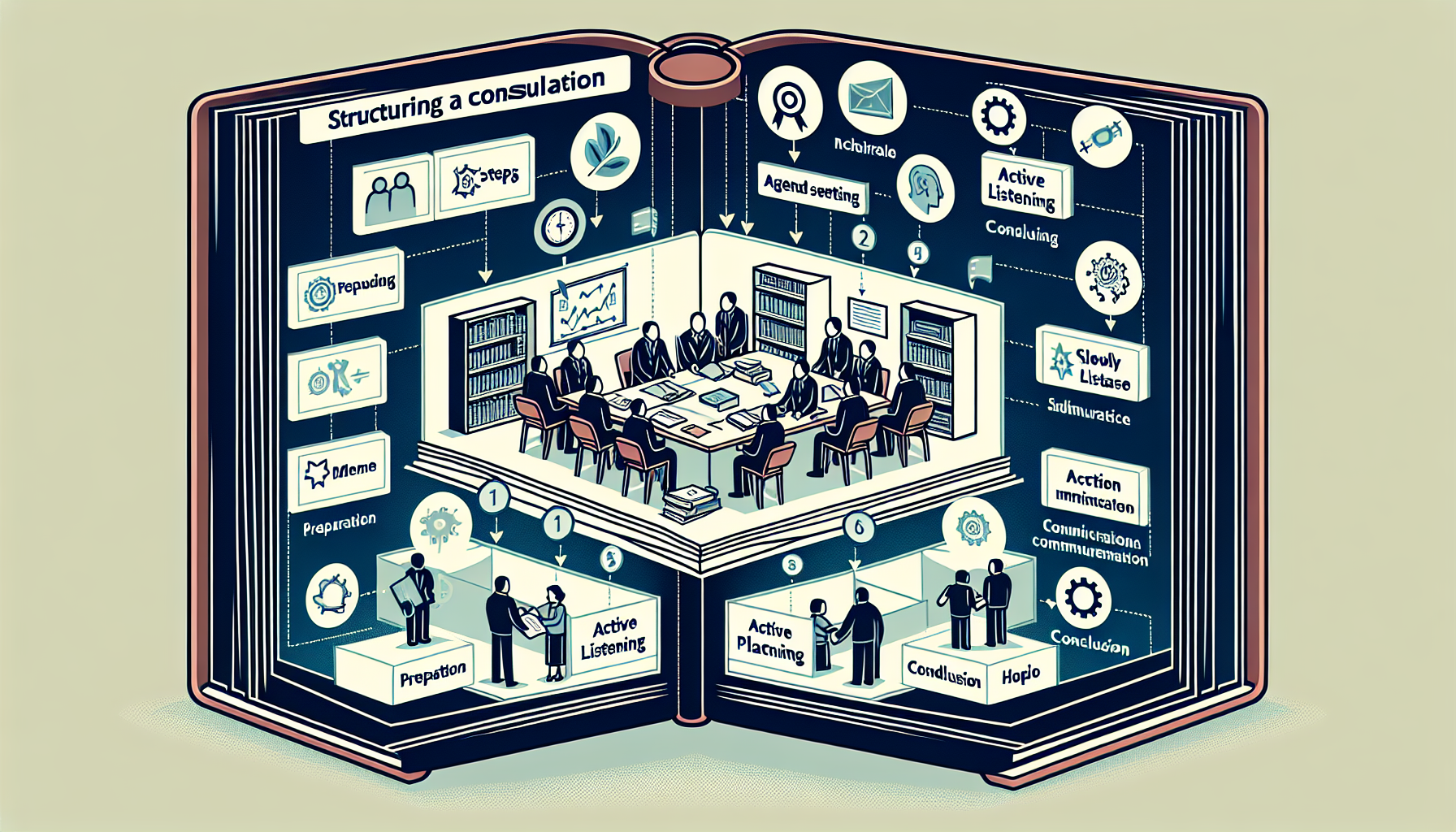
  • Structuring Your Consultation: A Step-by-Step Guide

    Structuring Your Consultation: A Step-by-Step Guide

    Understanding the Importance of Structure

    When it comes to consultations—whether you’re a therapist, a coach, or a consultant—having a clear structure can greatly enhance your effectiveness. A well-organized consultation not only guides your conversation, but also helps clients feel more at ease. In this step-by-step guide, we’ll explore how to structure your consultation to maximize engagement and produce actionable outcomes.

    Step 1: Create a Welcoming Environment

    The first step in structuring your consultation is to create a welcoming environment. This begins long before the client arrives. Make sure the physical space is comfortable, inviting, and free from distractions. If you’re meeting virtually, ensure your background is tidy and professional.

    When the client arrives, greet them warmly and make small talk to ease any nervousness. A friendly smile and genuine interest in their well-being can set the tone for a productive session. Remember that people are more likely to open up when they feel valued and safe in their surroundings.

    Step 2: Establish the Agenda

    After the initial greetings, it’s crucial to establish the agenda for your consultation. This step ensures that both you and your client are on the same page about what will be discussed. You might say, “I’d love for us to cover your current challenges, discuss some possible strategies, and outline next steps. Does that sound good to you?”

    Setting the agenda helps to manage expectations and leads to a more structured and meaningful conversation. It can also empower the client, giving them a sense of ownership over the session’s direction.

    Step 3: Conduct a Needs Assessment

    Once the agenda is established, conducting a needs assessment is vital. This involves asking open-ended questions to uncover the client’s specific needs, goals, and challenges. Questions like, “What brings you here today?” or “What are your primary goals?” can elicit useful information.

    Take notes during this phase to capture important details. Not only does this show your client that you’re listening, but it also helps you refer back to these points later in the consultation.

    Step 4: Explore Options and Solutions

    With a solid understanding of the client’s needs, it’s time to explore options and solutions. This stage is where the real magic happens. Share potential strategies, tools, or resources that could help the client achieve their goals. Encourage their input by asking questions like, “What do you think about this approach?” or “Have you tried any similar strategies before?”

    Facilitating a collaborative discussion allows clients to feel more engaged and committed to the proposed solutions. Remember, your role is to guide them, but the ultimate choices should resonate with them.

    Step 5: Summarize Key Takeaways

    As your consultation comes to a close, summarizing the key takeaways is essential. Recap the main points discussed and the action steps that were agreed upon. This not only reinforces what was learned but also provides clarity moving forward.

    You might say, “To summarize, we discussed your primary goals, explored some viable strategies, and agreed on the action steps to take next. How does that sound to you?” This way, you ensure that the client feels heard and that they have a clear understanding of their next steps.

    Step 6: Gather Feedback

    Before concluding the consultation, it’s beneficial to gather feedback. Ask your client about their experience during the session. Questions like, “What did you find most helpful today?” or “Is there anything we didn’t cover that you’d like to discuss in future sessions?” can provide valuable insights into your consultation style and effectiveness.

    This feedback is invaluable for continuous improvement and helps tailor future consultations to better serve your clients’ needs.

    Final Thoughts

    Structuring your consultations doesn’t have to be overwhelming. By following these steps, you can create a welcoming environment, establish a clear agenda, conduct a thorough needs assessment, explore practical solutions, summarize key takeaways, and gather essential feedback. A well-structured consultation not only leads to better outcomes but also fosters a stronger relationship between you and your client. As you practice and refine your approach, you’ll find that a structured consultation can greatly enhance the power of your work.

  • The Role of Active Listening in Successful Consultations

    The Role of Active Listening in Successful Consultations

    Understanding Active Listening

    Active listening is a vital skill that plays a pivotal role in ensuring successful consultations across various fields, from healthcare to business. It goes beyond merely hearing what someone says; it requires engagement, understanding, and responding appropriately to the speaker. In today’s fast-paced world, where distractions are rampant, the effectiveness of a consultation can be dramatically enhanced by honing this fundamental skill.

    At its core, active listening involves paying full attention to the speaker, maintaining eye contact, and showing genuine interest in the conversation. It often includes verbal acknowledgments like “I see” or “That makes sense,” as well as non-verbal cues such as nodding. This mode of listening not only helps the listener grasp the nuances of the speaker’s message but also fosters a sense of trust and respect.

    Why Active Listening Matters

    The importance of active listening cannot be overstated, especially in consultation scenarios. One of the primary benefits is that it encourages open communication. When clients or patients feel heard, they are more likely to share their thoughts, worries, and needs candidly. This open exchange is essential, especially in fields that require a high degree of empathy, such as healthcare or counseling.

    Additionally, active listening aids in building rapport. A consultant who demonstrates understanding and patience with their interlocutor is more likely to establish a successful working relationship. This trust is crucial, as it can lead to more fruitful exchanges of information, ensuring that the consultant has all the relevant details needed to provide sound advice or treatment.

    Techniques for Enhancing Active Listening

    Improving active listening skills is achievable through specific techniques that can easily be incorporated into consultations. First, practicing mindfulness can help listeners become more present during conversations. This means setting aside distractions such as phones or unnecessary paperwork, allowing full attention to be directed to the speaker.

    Another effective technique is paraphrasing. By restating what the speaker has said in their own words, the listener can confirm their understanding while demonstrating that they are truly engaged. For instance, if a client expresses concerns about a particular treatment plan, a skilled consultant might say, “So, what I hear you saying is that you feel unsure about the side effects. Let’s discuss those further.” This not only clarifies but also reassures the speaker that their feelings are valid and worth exploring.

    Overcoming Barriers to Active Listening

    While the benefits of active listening are clear, several barriers can impede its effectiveness. One common obstacle is preconceptions; if a listener enters a consultation with biases or preconceived ideas, they may not fully engage with the speaker’s message. To counteract this, it’s essential to approach each consultation with an open mind, ready to absorb new information without judgment.

    Another barrier could be the listener’s emotional state. If a consultant is feeling overwhelmed or distracted by external factors, it can be challenging to focus on the speaker. Implementing self-care strategies, such as taking deep breaths or practicing stress-relief techniques before consultations, can help mitigate this issue. By fostering a calm mind, the likelihood of actively listening increases significantly.

    The Impact of Active Listening on Outcomes

    The impact of active listening extends beyond the immediate conversation. When clients feel understood, they are more likely to follow through with recommendations or treatment plans, ultimately leading to better outcomes. In business settings, effective consultations foster clearer project goals and reduce the likelihood of misunderstandings, which can save time and resources.

    Moreover, the ability to listen actively can contribute to a culture of collaboration and respect within teams. When team members engage with each other’s ideas and concerns, it creates an environment where everyone feels valued and motivated, driving collective success. In this way, active listening becomes not just a personal skill, but a key element in the success of any organization.

    Conclusion

    In conclusion, active listening is an indispensable tool for achieving successful consultations. By understanding its importance, implementing effective techniques, and overcoming barriers, consultants can significantly enhance their communicative effectiveness. Cultivating this skill not only promotes better outcomes but also enriches relationships, fosters trust, and encourages collaborative environments. In a world where effective communication is essential, active listening stands out as a transformative practice that can benefit everyone involved.

  • Creating a Comfortable Consultation Environment: Tips and Tricks

    Creating a Comfortable Consultation Environment: Tips and Tricks

    The Importance of a Comfortable Consultation Environment

    Creating a comfortable consultation environment is essential for fostering trust, openness, and effective communication between the consultant and the client. Whether you are a healthcare professional, life coach, or business consultant, the space where consultations take place can significantly influence the outcome of your interactions. Feeling comfortable can help clients express their thoughts and feelings more freely, leading to more effective sessions.

    Understanding Your Client’s Needs

    Every client is unique, and so are their preferences when it comes to a consultation setting. Before the meeting, ask them if they have any specific preferences for the environment. This could range from preferred seating arrangements to any particular requirements regarding privacy or noise levels. Understanding these needs can contribute to making the client feel valued and respected, which is crucial for building a trusting relationship.

    Prioritize Comfort with Seating Options

    The type of seating in your consultation space can play a pivotal role in comfort levels. Choose chairs that are ergonomic and supportive, allowing your clients to sit for extended periods without discomfort. A cozy seating arrangement coupled with soft cushions can create a relaxed atmosphere. Additionally, consider the arrangement itself; avoid stiff setups like a rigid table-and-chairs setup and instead, opt for a more open layout that encourages conversation.

    Control the Temperature and Lighting

    Environmental factors such as temperature and lighting can significantly impact a client’s comfort. Ideally, ensure the room temperature is moderate—not too hot and not too cold. Offer blankets nearby for added warmth if needed. Similarly, lighting should be soft and adjustable; harsh fluorescent lights can create an unwelcoming atmosphere. Use table lamps or warm-colored LED lights to provide a more inviting feel to the space.

    Create a Calming Ambiance

    Enhancing the ambiance of your consultation space can make a lasting impression. Incorporate elements such as soothing music, essential oil diffusers, or soft textures to create a pleasant atmosphere. The use of colors also matters; research suggests that calming colors like blues and greens can create a serene environment. Consider adding plants or nature-inspired artwork to instill a sense of peace and tranquility.

    Ensure confidentiality and Privacy

    Privacy is one of the cornerstones of an effective consultation. Clients need reassurance that their discussions remain confidential. To establish this trust, choose a consultation space that is private and away from distractions where conversations cannot be overheard. Discussing sensitive subjects requires a secure atmosphere, and when clients feel confident that their information is safe, they can engage more freely.

    Minimize Disruptions

    During consultations, interruptions can be detrimental to the client’s experience and the purpose of the meeting. Ensure that phones are silenced, and signposts can indicate that a consultation is in session. If you have pets or children at home, consider scheduling consultations during times when they won’t be an issue. A quiet environment fosters concentration and allows for deeper conversations without distractions.

    Share Refreshments as a Gesture of Warmth

    Offering refreshments such as water, tea, or coffee can enhance the experience of your consultation. Consider having a selection available, as this small gesture can help clients feel more at home. Providing a light snack can also break the ice, easing nerves and making the environment feel less formal. This simple act can create a more comfortable atmosphere and strengthen your rapport.

    Feedback and Adaptation

    After the consultation, solicit feedback from your clients about their experience. Were they comfortable? Did they feel at ease? This feedback can provide valuable insights into what worked well and what can be improved. Adapting your approach based on client preferences can lead to more effective consultations and enhance client satisfaction.

    Final Thoughts

    Creating a comfortable consultation environment is an ongoing process that involves understanding your clients’ needs, paying attention to comfort factors, and consistently seeking to improve. A welcoming space can make a significant impact on the outcomes of your consultations. By implementing the tips and tricks outlined above, you can create an atmosphere that encourages open dialogue and promotes trust, ultimately leading to more productive and enriching client interactions.

  • Effective Communication Skills for Individual Practitioners

    Effective Communication Skills for Individual Practitioners

    The Importance of Communication in Individual Practice

    Effective communication is an essential skill for individual practitioners, irrespective of their field—be it healthcare, education, counseling, or business. Good communication can enhance relationships, streamline processes, and improve outcomes for both the practitioner and their clients. It’s not just about exchanging information; it’s also about understanding and being understood. This blog post delves into effective communication skills that can empower individual practitioners and elevate their practice.

    Active Listening: The Cornerstone of Communication

    Active listening is more than just hearing the words that someone is saying; it involves engaging with the speaker through verbal and non-verbal cues to demonstrate understanding and empathy. This skill allows practitioners to build rapport and trust with their clients, which is crucial for effective communication.

    To practice active listening, focus on the speaker, maintain eye contact, and resist the urge to interrupt. Nodding, using affirmative gestures, or verbal acknowledgments like “I see” or “That makes sense” can show that you are truly listening. It’s also crucial to paraphrase what the speaker has said to confirm understanding, which can further deepen the conversation.

    Empathy in Communication

    Empathy is the ability to understand and share the feelings of others. When individual practitioners communicate with empathy, they create an environment in which clients feel safe to express their thoughts and feelings. This emotional connection fosters honesty, openness, and vulnerability, enabling better dialogue and ultimately more effective outcomes.

    To communicate empathetically, practitioners should use empathetic statements that validate clients’ emotions, such as, “It sounds like you’re feeling overwhelmed,” or “I can see this is very important to you.” This acknowledgment can significantly enhance the client’s willingness to share more and engage fully in discussions, which is vital for collaborative problem-solving.

    Clarity and Conciseness

    In any field, clear and concise communication is key to avoiding misunderstandings and ensuring that information is correctly interpreted. Practitioners must be able to convey messages in an uncomplicated way, especially when discussing complex topics.

    Using simple language and being straightforward in your explanations can prevent confusion. Avoid jargon unless your client is familiar with it, and always encourage questions to verify understanding. Additionally, breaking down information into manageable parts can make it easier for clients to absorb what you’re saying.

    Non-Verbal Communication

    Non-verbal cues, such as body language, facial expressions, and tone of voice, play a significant role in communication. Often, what you don’t say can be just as important as the words you choose. For individual practitioners, being aware of their own non-verbal communication as well as that of their clients is crucial for fostering an effective communication environment.

    Practitioners should aim to use open body language—such as uncrossed arms and leaning slightly forward—to express approachability and engagement. By paying attention to the non-verbal signals given by clients, practitioners can adjust their approach when needed, ensuring that clients feel respected and valued during the interaction.

    Feedback: A Tool for Growth

    Giving and receiving feedback is a vital part of effective communication. Providing constructive feedback helps clients improve and understand what steps they can take for further development. However, it’s essential to deliver feedback in a manner that encourages growth rather than creating defensiveness.

    Practitioners should aim to present feedback as an opportunity for growth rather than criticism. Employing the “sandwich approach”—where you begin with something positive, follow with the area needing improvement, and conclude with encouragement—can make feedback more digestible and productive.

    Conclusion: Building Bridges Through Communication

    Effective communication skills are vital for individual practitioners seeking to build strong relationships and achieve better outcomes. By honing skills in active listening, empathy, clarity, non-verbal communication, and feedback, practitioners can create a supportive environment where clients feel heard and understood. Ultimately, the ability to communicate effectively not only fosters stronger client-practitioner relationships but also enhances the overall success of one’s practice. Embracing and practicing these communication skills will undoubtedly enable practitioners to connect more deeply with their clients and provide a more enriching experience.

  • How to Identify the Needs of Your Clients During Consultations

    How to Identify the Needs of Your Clients During Consultations

    The Importance of Understanding Client Needs

    In any profession, the key to delivering exceptional service lies in understanding the needs of your clients. During consultations, this understanding becomes especially crucial as it sets the stage for a productive partnership. By recognizing and addressing client needs, you not only enhance satisfaction but also increase the likelihood of long-term relationships. This post explores effective strategies to identify those needs during consultations.

    Start with Active Listening

    Active listening is more than just hearing what your client says; it’s about fully engaging with them. During your consultation, focus intently on their words, tone, and body language. Ask clarifying questions to ensure you grasp their concerns accurately. For example, if a client mentions they want to improve their marketing strategy, you might ask, “What specific challenges are you facing in your current approach?” This not only shows that you care but also provides you with valuable insights.

    Ask Open-Ended Questions

    Closed-ended questions can limit the conversation, while open-ended questions encourage your clients to share more detailed information. Consider prompts like, “Can you describe your ideal outcome from this project?” or “What are the biggest obstacles you’ve encountered so far?” These questions invite clients to express their thoughts and feelings more fully, giving you a clearer picture of their needs and desires.

    Utilize Empathy

    Empathy is essential in building trust with your clients. By stepping into their shoes, you can connect on a deeper level and better understand their emotions. Show that you value their experience—acknowledge their feelings about challenges or frustrations. Phrases like, “I can see why that would be difficult for you,” can help create a safe space for clients to open up about their needs and expectations.

    Conduct Pre-Consultation Surveys

    Before your consultation, consider sending out a short survey or questionnaire. This can help you gather preliminary information about the client’s goals, preferences, and past experiences. An efficient survey could ask about their desired outcomes, previous solutions tried, and current challenges. Not only does this show your commitment to meeting their needs, but it also prepares you to tailor your discussion during the actual meeting.

    Assess Non-Verbal Cues

    Body language and facial expressions can reveal a lot about how a client feels during the consultation. Observe their posture, eye contact, and gestures. For instance, crossed arms might indicate defensiveness, whereas leaning forward could show engagement. These cues can provide invaluable context as you work to understand their needs. Adjust your approach based on what these signals are telling you, ensuring a more catered experience.

    Summarize and Reflect Back

    As the consultation progresses, take moments to summarize what the client has shared. This practice, known as reflective listening, not only reinforces that you’ve understood their needs but also gives clients the opportunity to correct any misconceptions. For example, you might say, “So, if I understand correctly, you’re looking for ways to enhance your online presence while also managing your budget effectively?” This technique promotes clarity and reassures clients that you are fully engaged.

    Follow Up Post-Consultation

    Identifying client needs doesn’t stop when the consultation ends. Following up with clients can shed light on aspects that may have been overlooked during the initial meeting. A simple thank-you email can ask if they have any further thoughts or questions. This not only shows that you care about their needs but keeps the communication lines open for future engagements.

    Conclusion

    Identifying the needs of your clients during consultations is a multi-faceted approach that requires attentiveness, empathy, and effective communication skills. By practicing active listening, utilizing open-ended questions, and being aware of non-verbal cues, you can foster a trusting relationship that encourages clients to share their true needs. The goal is to create a collaborative environment where clients feel valued and understood, ultimately leading to better solutions and a more satisfying experience.

  • Building Trust with Clients: The Key to Successful Consultations

    The Foundation of Client Relationships

    Trust is the cornerstone of any successful consultation. When clients trust you as an expert in your field, they’re more likely to engage openly in discussions, share their challenges, and, ultimately, implement your recommendations. The relationship you build with clients can significantly influence their satisfaction and outcomes. In this post, we will explore various strategies to cultivate trust with clients, ensuring consultations become fruitful and rewarding for both parties.

    Understanding Client Needs

    The first step toward building trust is demonstrating a genuine understanding of your clients’ needs and objectives. During initial consultations, take time to listen actively and ask probing questions. Show that you are truly interested in their concerns and aspirations. This empathetic approach not only fosters rapport but also provides you with valuable insights into their situation.

    Clients appreciate when they feel heard. A good practice is to paraphrase what they have shared to ensure clarity and show that you are engaged. This kind of active listening establishes a strong foundation for trust, as clients feel validated and understood.

    Transparency is Key

    Transparency is essential in establishing trust. Clients are more likely to trust consultants who are open about their processes, fees, and methodologies. Make sure to provide comprehensive explanations of how you intend to assist them, along with any potential challenges that may arise.

    When presenting your services, be upfront about your qualifications and experiences. If there are situations where you feel another professional may be more suited to assist, don’t hesitate to recommend them. This level of honesty will not only help clients trust you more but can also enhance your reputation within your industry.

    Deliver on Promises

    Nothing builds trust faster than delivering on your promises. Set realistic expectations during your consultations and strive to meet or exceed them. Providing high-quality service consistently will reassure clients that their decision to work with you was the right one.

    If you encounter delays or unforeseen issues, communicate these promptly and transparently. Keeping clients in the loop will show that you value their time and are committed to providing the best service possible. Such accountability can significantly enhance trust levels and strengthen your client relationship.

    Building Long-Term Relationships

    Consultations should not be viewed as one-off meetings. Instead, approach each interaction as an opportunity to nurture a long-term relationship. Regular follow-ups and check-ins are effective ways to stay connected and show clients you care about their progress even after the consultative appointment.

    Sending personalized messages or valuable resources relevant to your client’s needs can reinforce their trust in you. Such gestures demonstrate that you are invested in their success beyond the initial consultation. Clients are likely to return to you for future needs and refer others when they feel valued and supported.

    Seek Feedback and Adapt

    One of the most effective ways to gain trust is to actively seek feedback from your clients. After consultations, ask for their thoughts on what went well and what could be improved. This not only shows that you value their opinion, but it also provides you with actionable insights to enhance your services.

    Be willing to adapt your strategies and approaches based on the feedback received. Demonstrating that you are responsive to their suggestions fosters a collaborative spirit and reinforces their trust in you as a consultant who is dedicated to meeting their evolving needs.

    Final Thoughts: The Power of Trust

    Building trust with clients is not merely a one-time effort; it is an ongoing process that requires commitment, transparency, and genuine care. By understanding client needs, being transparent, delivering on promises, nurturing relationships, and seeking feedback, you can create a strong foundation of trust that will enhance the quality of your consultations.

    Ultimately, trust leads to lasting relationships, repeat business, and valuable referrals. By focusing on these key areas, you can position yourself as a trusted advisor in your industry and set your consultations up for success.

  • Top Strategies for Effective One-on-One Consultations

    Top Strategies for Effective One-on-One Consultations

    The Importance of One-on-One Consultations

    One-on-one consultations are an invaluable tool for building strong relationships, addressing individual needs, and fostering personal development. These interactions not only create a space for open dialogue but also empower the participants to delve into critical issues that may not surface in group settings. Understanding how to navigate these consultations effectively can significantly enhance their impact, whether you’re a manager, a mentor, or a counselor.

    Establishing a Comfortable Environment

    A successful one-on-one consultation starts with creating an inviting atmosphere. The environment should be comfortable and free from distractions, allowing the participant to feel safe and valued. Consider the setting—perhaps a quiet office, a cozy coffee shop, or even a peaceful outdoor space. Smaller details like comfortable seating and ensuring privacy can make a huge difference. Additionally, setting a friendly tone as you begin the conversation helps lower barriers and encourages openness.

    Active Listening is Key

    During these consultations, your ability to listen actively is paramount. Clients and colleagues need to feel heard and acknowledged. This means not just hearing their words but fully engaging with their thoughts and emotions. Show that you’re invested in the conversation through body language—nodding, maintaining eye contact, and avoiding interruptions. Reflective listening techniques such as paraphrasing what they’ve said can also reinforce that you’re paying attention and care about their concerns.

    Setting Clear Objectives

    Before entering a consultation, both parties should have a clear understanding of the session’s objectives. Establishing goals helps to maintain a focused discussion and ensures that both you and the participant derive value from the interaction. Start by asking the participant what they hope to achieve from the meeting. Together, outline specific objectives that guide the conversation, making sure to revisit these goals as the discussion unfolds.

    Encouraging Open Dialogue

    Encouraging an open dialogue is essential in one-on-one consultations. Participants should feel encouraged to express themselves without fear of judgment. Utilize open-ended questions to elicit deeper insights and promote thought-provoking conversations. For instance, instead of asking, “Did you like the project?” try, “What are your thoughts on the project, and what could we improve in the future?” Such questions spark more engagement and facilitate a richer exchange of ideas.

    Providing Constructive Feedback

    Effective feedback is critical in consultations, especially when addressing performance or growth areas. Aim to deliver constructive feedback that encourages development rather than simply pointing out flaws. Use the “sandwich approach,” where you start with positive observations, address areas for improvement in the middle, and then wrap up with more positive comments or encouragement. This method not only softens the blow of criticism but also reinforces a growth mindset.

    Documenting and Following Up

    After the consultation, take the time to document key points discussed and any actions agreed upon. This record serves as a valuable reference for both parties, ensuring that commitments are remembered and followed through. Additionally, scheduling a follow-up session can reinforce the importance of the discussion and keep lines of communication open. A simple email summarizing the main points can also reinforce the participant’s feelings of being valued.

    Adjusting Your Approach as Needed

    Finally, be prepared to adapt your approach based on the individual’s needs or responses during the consultation. Flexibility allows you to pivot and address unforeseen issues or topics that may arise. Pay attention to verbal and nonverbal cues, and feel free to shift the tone or direction of the conversation to better suit the participant’s comfort level. This dynamic approach not only highlights your sensitivity as a facilitator but also fosters trust and rapport.

    Conclusion

    Effectively conducted one-on-one consultations can pave the way for significant advancements in personal and professional development. By establishing a comfortable environment, listening actively, setting clear objectives, promoting open dialogue, providing constructive feedback, documenting discussions, and remaining adaptable, you enhance the quality and effectiveness of these valuable interactions. Remember, a successful consultation is not just about exchanging information; it’s about cultivating relationships that encourage growth and collaboration.