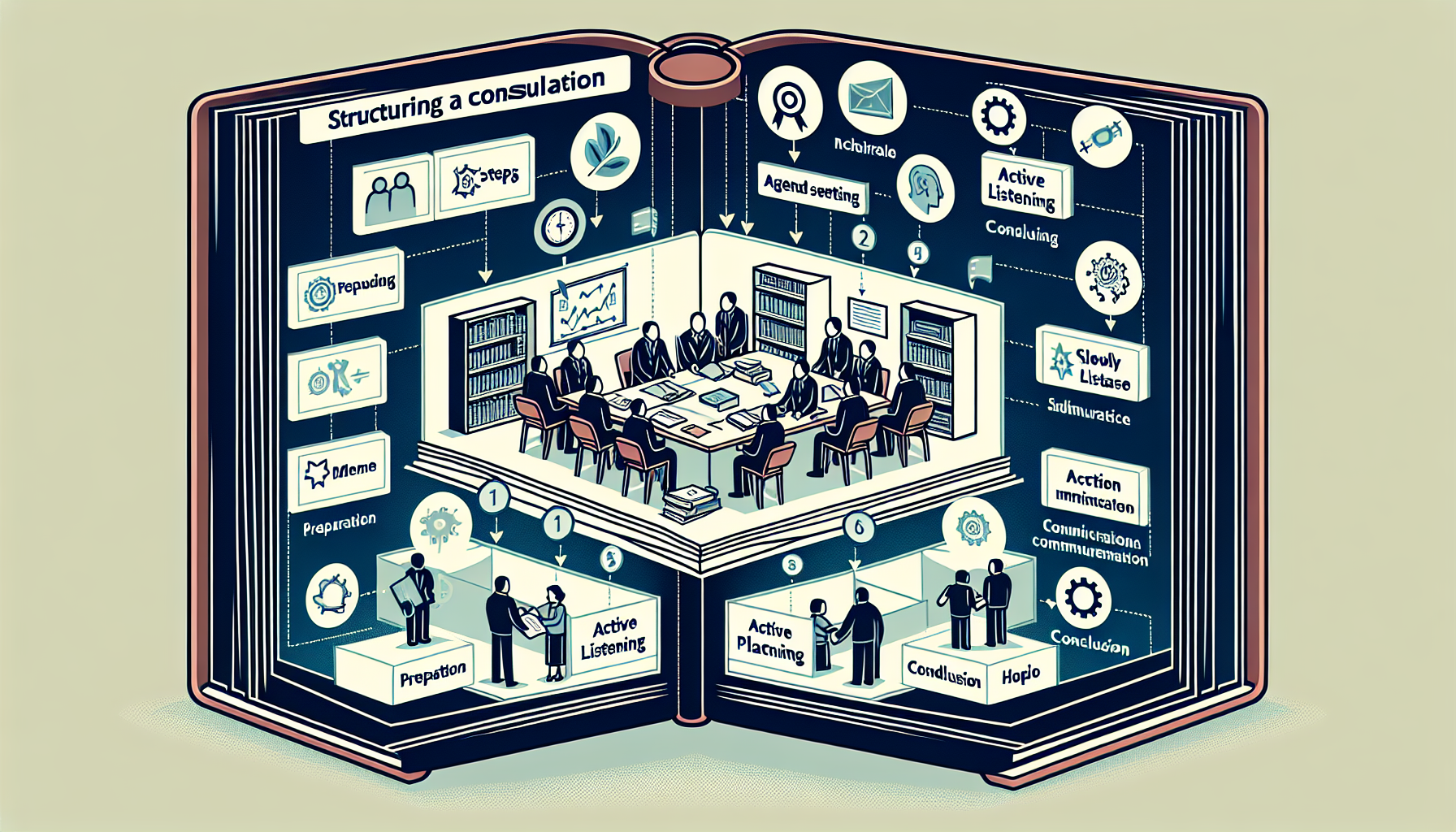
Understanding the Importance of Structure
When it comes to consultations—whether you’re a therapist, a coach, or a consultant—having a clear structure can greatly enhance your effectiveness. A well-organized consultation not only guides your conversation, but also helps clients feel more at ease. In this step-by-step guide, we’ll explore how to structure your consultation to maximize engagement and produce actionable outcomes.
Step 1: Create a Welcoming Environment
The first step in structuring your consultation is to create a welcoming environment. This begins long before the client arrives. Make sure the physical space is comfortable, inviting, and free from distractions. If you’re meeting virtually, ensure your background is tidy and professional.
When the client arrives, greet them warmly and make small talk to ease any nervousness. A friendly smile and genuine interest in their well-being can set the tone for a productive session. Remember that people are more likely to open up when they feel valued and safe in their surroundings.
Step 2: Establish the Agenda
After the initial greetings, it’s crucial to establish the agenda for your consultation. This step ensures that both you and your client are on the same page about what will be discussed. You might say, “I’d love for us to cover your current challenges, discuss some possible strategies, and outline next steps. Does that sound good to you?”
Setting the agenda helps to manage expectations and leads to a more structured and meaningful conversation. It can also empower the client, giving them a sense of ownership over the session’s direction.
Step 3: Conduct a Needs Assessment
Once the agenda is established, conducting a needs assessment is vital. This involves asking open-ended questions to uncover the client’s specific needs, goals, and challenges. Questions like, “What brings you here today?” or “What are your primary goals?” can elicit useful information.
Take notes during this phase to capture important details. Not only does this show your client that you’re listening, but it also helps you refer back to these points later in the consultation.
Step 4: Explore Options and Solutions
With a solid understanding of the client’s needs, it’s time to explore options and solutions. This stage is where the real magic happens. Share potential strategies, tools, or resources that could help the client achieve their goals. Encourage their input by asking questions like, “What do you think about this approach?” or “Have you tried any similar strategies before?”
Facilitating a collaborative discussion allows clients to feel more engaged and committed to the proposed solutions. Remember, your role is to guide them, but the ultimate choices should resonate with them.
Step 5: Summarize Key Takeaways
As your consultation comes to a close, summarizing the key takeaways is essential. Recap the main points discussed and the action steps that were agreed upon. This not only reinforces what was learned but also provides clarity moving forward.
You might say, “To summarize, we discussed your primary goals, explored some viable strategies, and agreed on the action steps to take next. How does that sound to you?” This way, you ensure that the client feels heard and that they have a clear understanding of their next steps.
Step 6: Gather Feedback
Before concluding the consultation, it’s beneficial to gather feedback. Ask your client about their experience during the session. Questions like, “What did you find most helpful today?” or “Is there anything we didn’t cover that you’d like to discuss in future sessions?” can provide valuable insights into your consultation style and effectiveness.
This feedback is invaluable for continuous improvement and helps tailor future consultations to better serve your clients’ needs.
Final Thoughts
Structuring your consultations doesn’t have to be overwhelming. By following these steps, you can create a welcoming environment, establish a clear agenda, conduct a thorough needs assessment, explore practical solutions, summarize key takeaways, and gather essential feedback. A well-structured consultation not only leads to better outcomes but also fosters a stronger relationship between you and your client. As you practice and refine your approach, you’ll find that a structured consultation can greatly enhance the power of your work.
Leave a Reply